
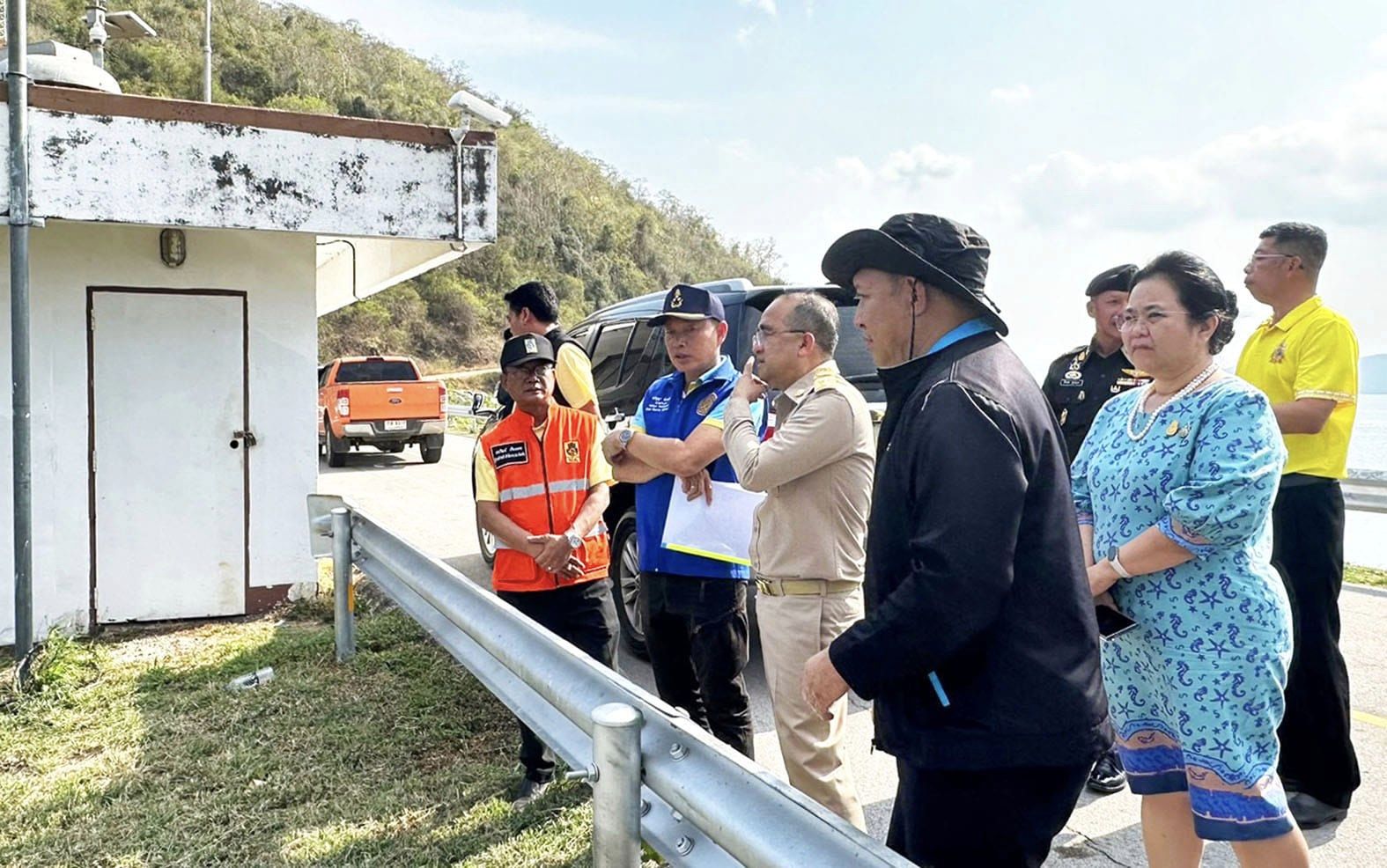
As part of an urgent response to the escalating drought situation in Prachuap Khiri Khan, Governor Mr. Somkid Chanthamaruk, accompanied by Deputy Governor Mr. Sinathorn Oeam and other provincial leaders, visited Pranburi district to assess the problem firsthand.
The visit on March 25, 2024, was in response to concerns over the dwindling water supply in the Pranburi dam reservoir, now reported at just 29.7% of its full capacity.
The lack of water has meant that the two districts in the province, Pranburi and Thap Sakae have now officially been declared drought disaster zones, with some 11 sub-districts and 79 villages severely affected.
Officials estimate the drought has disrupted the lives of 6,884 households, amounting to 16,616 individuals who are now facing acute water shortages.
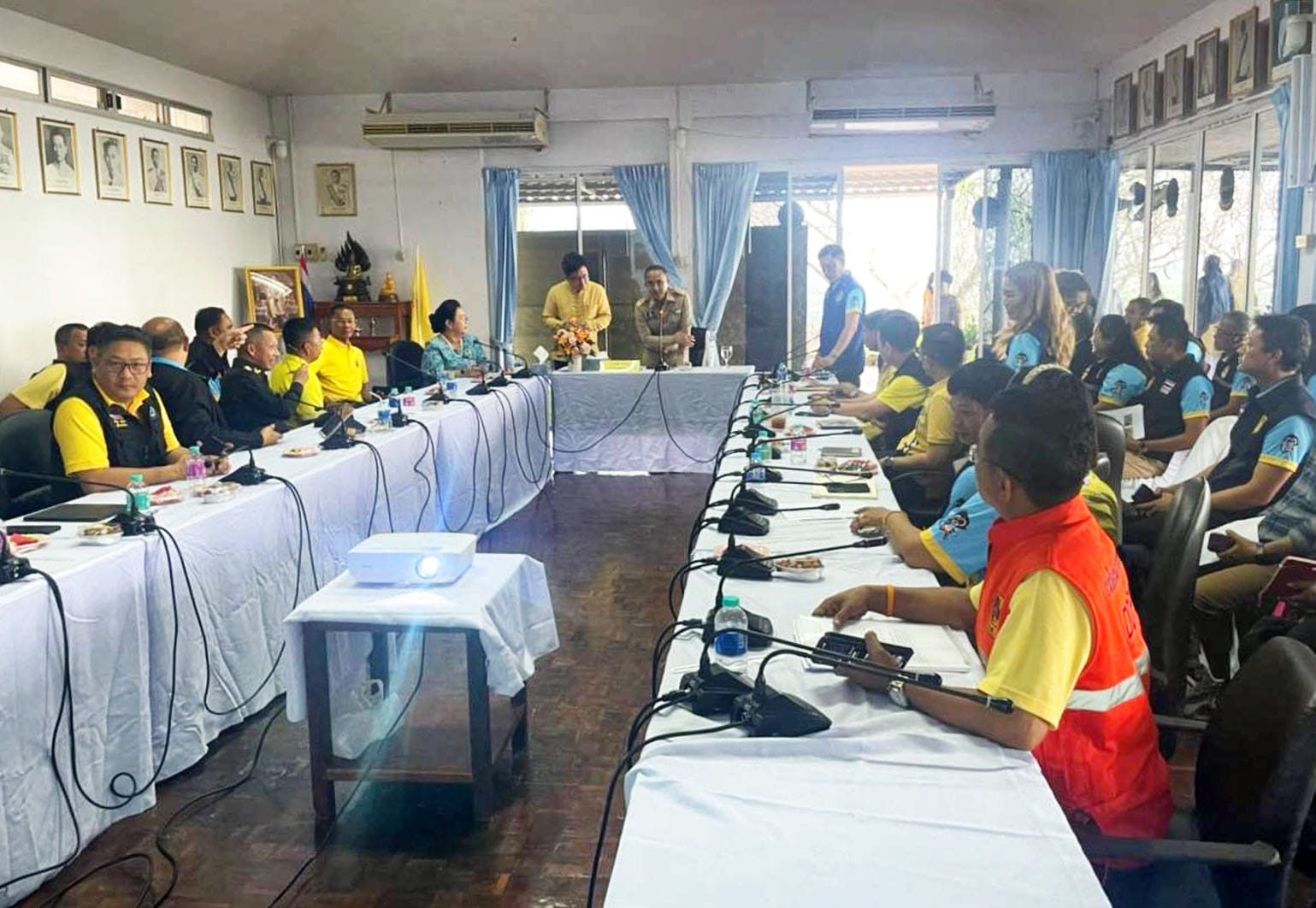
Governor Chanthamaruk has directed all eight district chiefs within the province to thoroughly document the drought’s impact on their respective areas. Officials will hold further meetings aiming to devise immediate and effective relief measures.
As part of the emergency response, local authorities are tasked with extending comprehensive support to the local communities, ensuring access to potable and utility water. The Provincial Disaster Prevention and Mitigation Office has initiated water distribution efforts, deploying trucks to deliver water to the hardest-hit communities. These measures are critical in mitigating the immediate hardships faced by the residents and in safeguarding against further escalation of the crisis.
Moreover, the province has launched a campaign to promote water conservation, emphasizing the importance of prudent water use among all residents. Special guidance has been issued to farmers, urging them to adopt water-saving practices to protect their livelihoods and prevent crop failure.
Residents facing water shortages are urged to report their situations to village headmen or local administrative organizations, enabling efficient distribution of aid and resources.
The lack of rain during the previous wet season has resulted in the region recording a 50% drop in rainfall compared to the five-year average, leading to a sharp reduction in water availability.