
A private pool villa in Hua Hin costs far less than the same home would on Phuket or Samui, and for many buyers it delivers more: quiet, space, a real community, and Bangkok two and a half hours up the road. The catch is that the result depends almost entirely on three choices — the area, the villa itself, and the builder behind it. Get those right and Hua Hin is hard to beat. Get them wrong and you inherit someone else’s mistakes.
I’ve spent nearly two decades in Hua Hin’s construction and land market, and I now build villas here. This guide is the same plain advice I give buyers in person: where to look, what each villa size really gives you, what it should cost in 2026, how foreign ownership works, what it can earn, and how to tell a good developer from a risky one.
Why buyers choose Hua Hin
Hua Hin grew up as the Thai royal family’s seaside retreat, and that DNA still shows. It’s calmer and more local than Phuket or Pattaya, with a settled population of Thai families, Bangkok weekenders, and long-term expats rather than a churn of tourists. That mix matters: it keeps demand — and rental occupancy — steadier through the year.
The practical draws are strong. You’re two and a half to three hours from Bangkok by car or van. The town has private hospitals, international schools, several championship golf courses, big malls, and a long beach. And your money simply goes further here. A pool villa that would cost 35 million baht (about $1.05M) in a prime Phuket area often sits closer to 15–20 million (around $450,000–600,000) in Hua Hin, for a similar standard of build.
Hua Hin is also investing in itself. The town has modern malls like BluPort, the Vana Nava water park, a growing dining scene, and steady road improvements that shorten the Bangkok run each year. It isn’t trying to become Phuket, and that restraint is part of the appeal — growth here is gradual and residential rather than boom-and-bust.
Where to buy Pool Villa in Hua Hin: the areas that matter
Hua Hin is small enough that you’re rarely more than 10–20 minutes from town, the beach, or a mall — so picking an area is about the feel of daily life, not distance. The main pockets buyers weigh up:
- Thap Tai — inland, west of town, where most of the newer pool-villa communities are. Spacious plots, mountain views, fast access to the bypass and the south beaches. Popular with families and retirees who want a brand-new home with room to breathe.
- Nong Kae (Soi 94–102) — the most walkable part of Hua Hin, with cafés, gyms, BluPort mall and beach access close by. Good if you want to live without depending on a car.
- Khao Takiab — south of the centre, by Monkey Mountain. Beach-front living, restaurants and a more relaxed resort feel.
- Hin Lek Fai — hillside, green and quiet, near golf. Great for space and views, but you’ll want your own transport.
- Pranburi — further south and more rural, for buyers who want peace and don’t mind driving for errands.
My honest take: drive each one at different times of day before you commit. The area decides your lifestyle far more than the floor plan does.
Condo or villa?
If budget or simplicity is the priority, a condo is the one property type where a foreigner gets full freehold — you can own the unit outright, as long as foreign owners stay under 49% of the building. But Hua Hin’s signature home is the private pool villa, and a villa is land plus a house. Foreigners can own the house, and hold the land through a registered lease, a Thai company with a genuine business, or a Thai spouse. I’ll come back to that below.
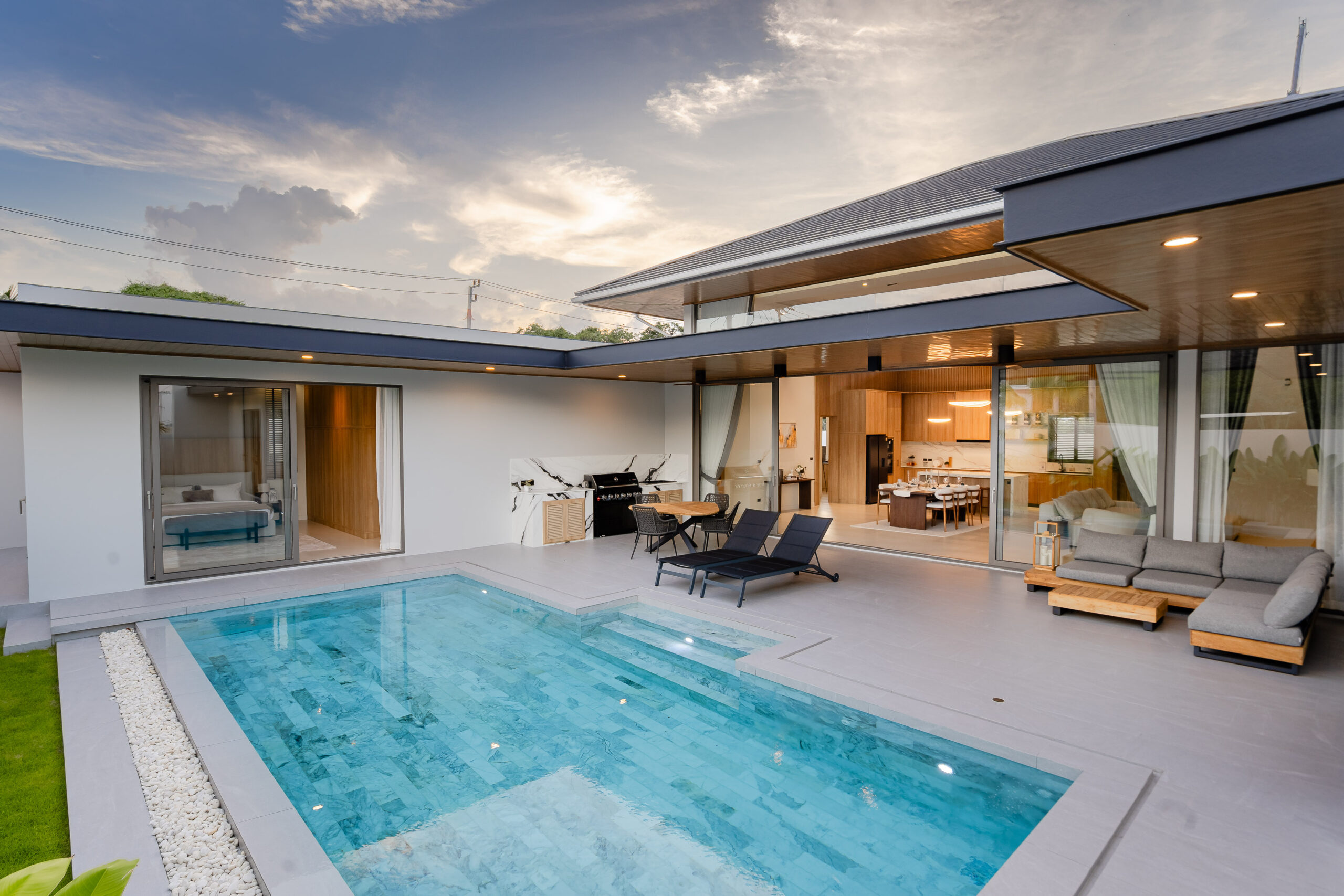
For most people choosing Hua Hin over a city, the villa is the point: your own pool, a garden, no shared walls, and space for family or guests.
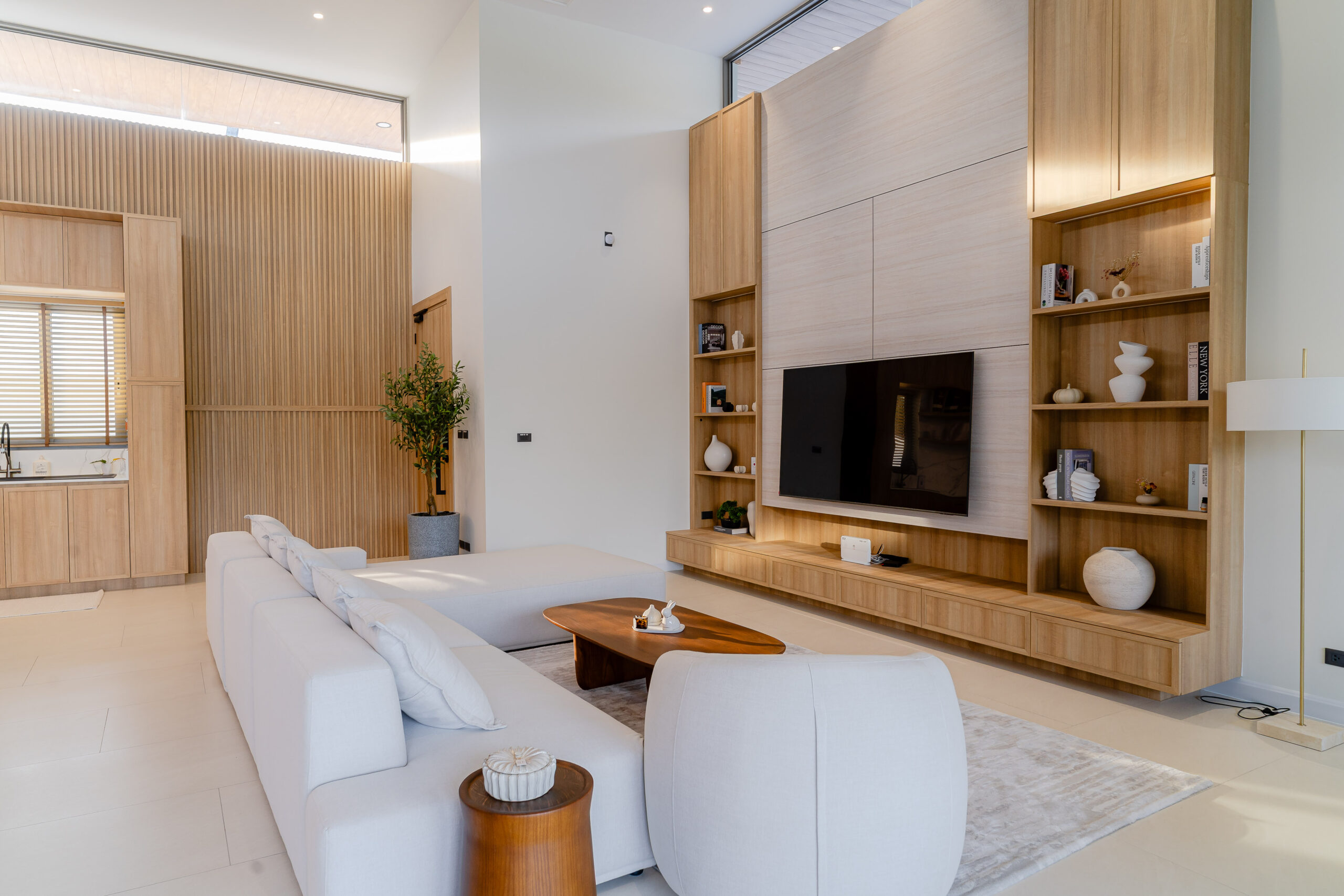
Hua Hin Villa sizes: 2, 3 or 4 bedrooms
Bedroom count is really a decision about how you’ll live, and it drives both price and how easily the home rents or resells.
Two bedrooms suit couples and make a tidy lock-up-and-leave investment. Three bedrooms are the sweet spot of the Hua Hin market — enough room for a family, guests or a home office, while staying affordable to run and easy to rent. If you’re weighing sizes, our modern villas in Hua Hin run across two- to four-bedroom layouts at the same standard of build, which makes the trade-offs easy to see. Four bedrooms are for larger families and entertainers who want a flagship home with a bigger pool and a dedicated office — rarer at the top spec, which helps hold value.
What a pool villa really costs in 2026
Prices move with land size, build quality, location and how finished the home is on handover. As a 2026 guide:
| Tier | Typical price (THB) | What you usually get | Best for |
| Entry | ~10–16M (~$300k–480k) | 2–3 beds, smaller plot and pool, good finishes | Couples, first buyers, investors |
| Mid | ~16–25M (~$480k–750k) | 3 beds, 4×10m pool, larger plot, premium spec, often a home office | Families, long-stay residents |
| Premium | 25M+ (~$750k+) | 4 beds, largest plots and pools, bespoke finishes | Large families, entertainers, top end |
USD figures are approximate, at about 33 baht to the dollar (June 2026); rates move.
Watch what’s included. A villa quoted bare looks cheap until you add a kitchen, furniture, landscaping, a pool and air-conditioning. A turnkey, fully furnished home costs more on paper but is usually better value — and far less stressful — than a shell you finish yourself.
On top of the price, budget for transfer and registration costs. A freehold transfer carries a 2% transfer fee (often split with the seller); a registered lease costs about 1.1% to register. Your own lawyer’s fee is money well spent. As a rule of thumb, one-off costs land around 2.5–6% of the appraised value.
New build or resale?
Both work, and they suit different buyers. A new build gives you current design, better energy efficiency, structural warranties and a home with nothing to fix — though you may wait for construction or buy off-plan. A resale can be cheaper and available now, but older villas can hide tired finishes, dated layouts and deferred maintenance. Either way, verify the title and have the build quality checked; a survey on an older home is worth every baht.
What actually drives the price
Two villas with the same bedroom count can differ by millions. The usual reasons: land size and plot shape, the size of the pool and garden, the quality of the structure and finishes, the location and views, and the density of the community around it. A home in a quiet 22-villa enclave with mountain views is a different product from a near-identical unit packed into a large estate, even when the floor plans match. Always ask what you’re really paying for.
Owning as a foreigner, in brief
You can’t put Thai land in a foreign name, but you can own the villa and hold the land securely. The common routes are a registered 30-year lease, owning the house in your name while leasing the land (often with a superficies for extra security), a Thai company where there’s a real business behind it, or purchase through a Thai spouse. One point for 2026: authorities are cracking down hard on nominee companies set up purely to hold land, so take that route only with genuine substance, and always use an independent Thai lawyer. Look for a Chanote — the strongest form of land title.
What a villa can earn
Hua Hin won’t give you Phuket’s headline tourist yields, but it gives steadier ones. Well-run pool villas here typically return around 5–7% gross, with premium, well-located homes reaching 7–9%. The income comes from a broad renter pool — Bangkok families on weekends, long-stay expats, retirees trialling the town — rather than a short tourist season.
Three-bedroom villas tend to rent most consistently. If you want income, factor in a management fee, and check whether the community allows short-term letting before you count on nightly rates.
The buying process, step by step
A typical purchase runs in a clear order: pay a reservation deposit to hold the villa; appoint your own lawyer; let them run due diligence on the title and the seller; sign the sale and, where relevant, the lease agreement; then pay the balance and register the transfer in person at the Land Office. Bring purchase funds in from overseas and keep the bank paperwork — you’ll want it for the transfer and for any future sale. A straightforward resale can complete in a few weeks; a new build follows the construction schedule.
The running costs people forget
Owning a villa carries modest yearly costs beyond the purchase: a common or estate fee in a managed community for security and shared upkeep, a low annual land and building tax, building insurance, and the day-to-day of pool and garden maintenance and utilities. None of it is heavy by international standards, but put real numbers against it before you buy so there are no surprises.
How to choose a developer (this matters most)
In a market with a lot of new building, the developer is the variable that decides whether your villa is a joy or a liability. What I’d check, in order:
- Completed, lived-in projects. Ask to visit finished homes, not just a showroom. Finished work tells you everything.
- A clean Chanote title and the right to sell, confirmed by your lawyer.
- Build quality you can see. Reinforced concrete and steel structure, proper European-grade plumbing and electrics, real materials — not just a pretty render.
- Payments tied to construction milestones, so your money is released against progress, not handed over up front.
- Everything in writing, and references from past buyers. A developer with happy owners will connect you gladly.
- Independent recognition. Industry awards and third-party reviews are a useful sanity check on build and design quality.
Five mistakes I see buyers make
- Falling for the lowest price. Check what’s actually included before comparing two villas.
- Skipping their own lawyer. The seller’s lawyer works for the seller.
- Trusting a long lease-renewal promise instead of treating the registered 30 years as what they own.
- Buying off a render. Insist on seeing finished work from the same builder.
- Choosing the floor plan before the area. The neighbourhood shapes daily life more than the layout.
Who Hua Hin suits — and who it doesn’t
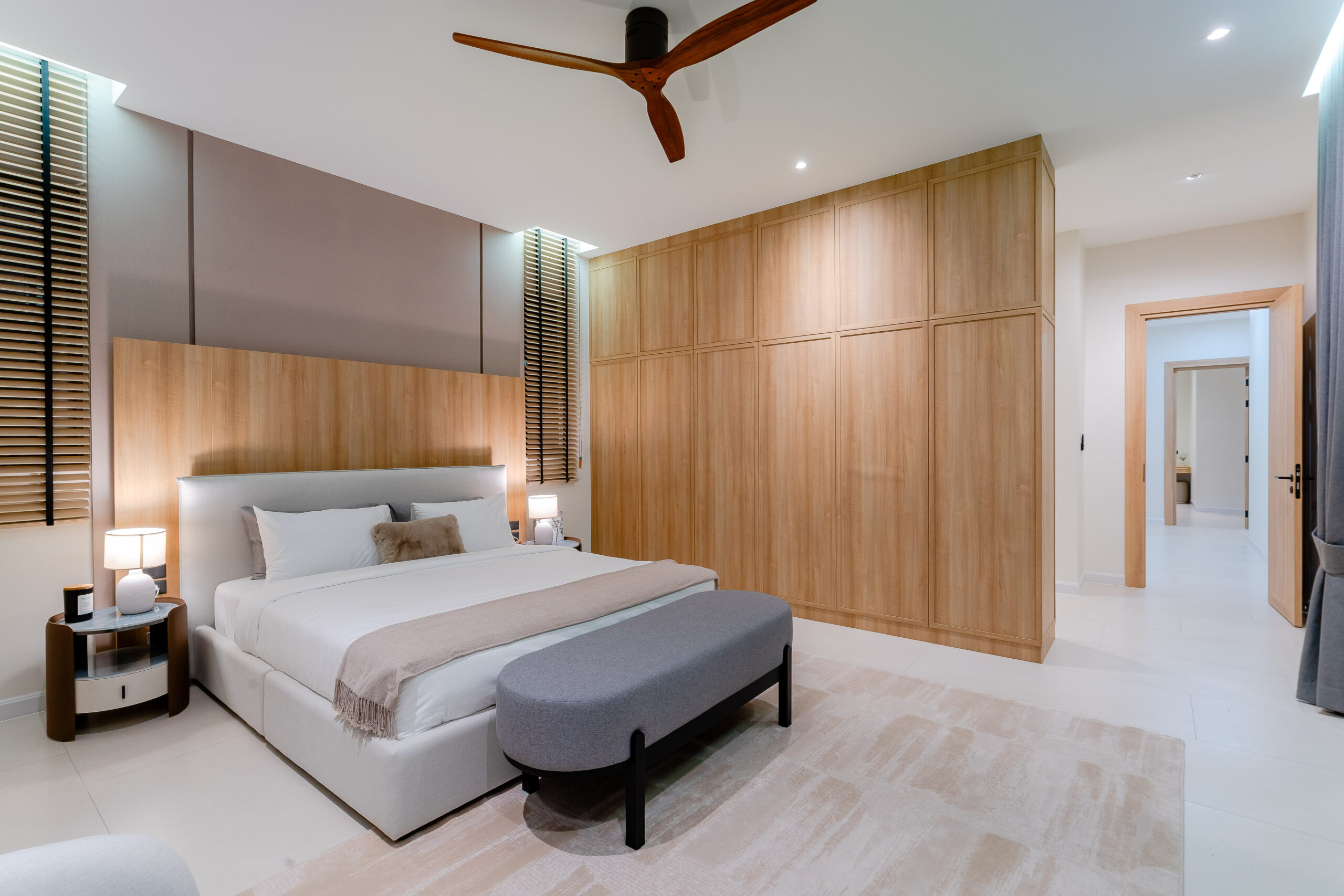
Hua Hin rewards buyers who want calm, space and a real community: families, retirees, remote professionals, and Bangkok residents after a weekend base. It’s less suited to anyone chasing nightlife or pure short-term tourist yield — Phuket or Pattaya do that better. Being honest about which camp you’re in saves a lot of second-guessing later.
Frequently asked questions
How much does a pool villa in Hua Hin cost?
Most new pool villas run from around 10 million baht (about $300,000) for a smaller home up to 25 million (about $750,000) and beyond for a large, high-spec one. Land size, location, build quality and how furnished the home is all move the number.
Can foreigners get a mortgage in Thailand?
Local financing for foreigners is limited, so most villa purchases are paid in cash or funded from abroad. Plan your funds and the transfer paperwork early.
What’s the difference between freehold and leasehold for a villa?
You can’t own the land freehold as a foreigner, so a villa’s land is usually held on a registered 30-year lease while you own the house outright. A condo, by contrast, can be owned freehold within the building’s foreign quota. A lawyer can map the safest structure for you.
Can a foreigner buy a villa in Hua Hin?
Yes. You own the house, and hold the land through a registered lease, a Thai company with a genuine business, or a Thai spouse. Use an independent Thai lawyer and look for a Chanote title.
Which area is best?
It depends on how you want to live. Thap Tai for space and new villas, Nong Kae for walkability, Khao Takiab for the beach, Hin Lek Fai for hillside quiet. Spend time in each before deciding.
New build or resale?
A new build gives you current design, warranties and nothing to fix; a resale can be cheaper and quicker. Either way, verify the title and the build quality.
Is a Hua Hin villa a good investment?
For steady, year-round rental and long-term stability, yes — yields around 5–7%, more for premium homes. It’s less about quick tourist returns and more about reliable demand.
This article is general information, not legal or financial advice. Property rules in Thailand are detailed and change — confirm your situation with a qualified Thai lawyer before committing.
About the author
Nichanun Meesai is the founder and developer of La Felice, an award-winning private pool villa community in Thap Tai, Hua Hin. She has worked in Hua Hin construction and land development for more than 19 years.