A recent survey at Kaeng Krachan National Park has unveiled a unique natural resource, a “Pink Mineral Lick,” which is proving vital to the park’s diverse wildlife.
The survey, conducted by park officials and the Wildlife Conservation Society (WCS) Thailand, also documented rare sightings of tigers, elephants, and other wildlife in this UNESCO World Heritage Site.
The four-day survey, led by Kaeng Krachan National Park Chief Mongkol Chaiphakdee and Deputy Chief Chalerm Thongsong, focused on the mineral-rich area located at the headwaters of the Phetchaburi River. Spanning approximately 1 rai (1,600 square metres), the mineral lick was studied using images captured by 10 strategically placed camera traps.

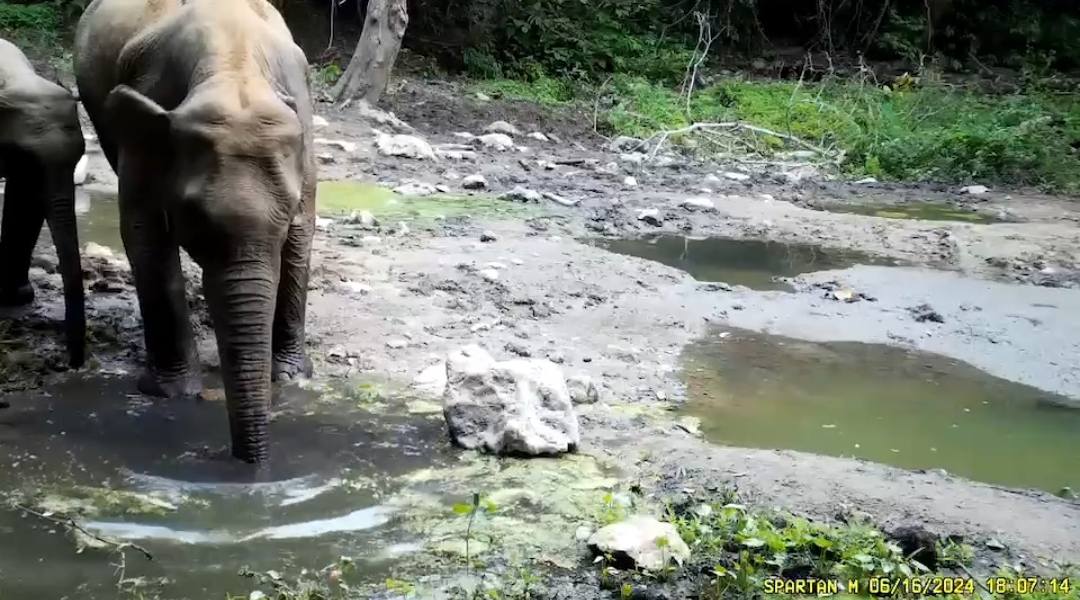
The footage revealed a herd of wild elephants engaging in behaviour indicative of the importance of the site. The elephants were seen removing mud to access the pink-hued minerals, believed to play a role in their digestion and physical health. While the specific composition of the minerals is still under analysis, the findings emphasise the lick’s ecological significance.
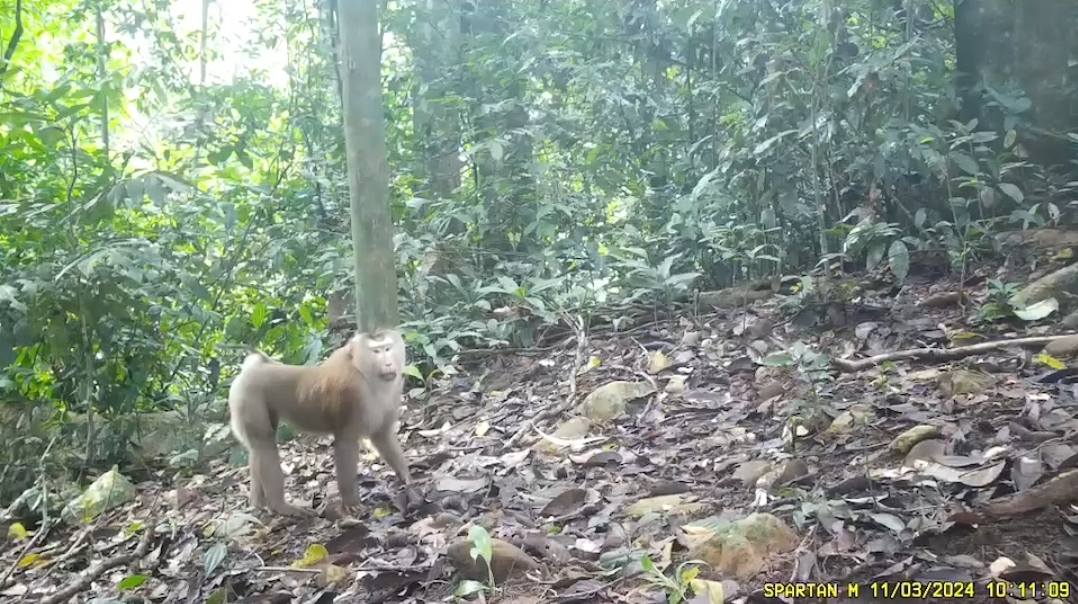
The cameras also recorded two tigers, identified as the fourth and sixth individuals within the park’s population. Other species observed include leopards, gaur, deer, Fea’s muntjac, tapirs, and pig-tailed macaques. The presence of both herbivores and predators underscores the mineral lick’s role in sustaining the area’s wildlife, making it an invaluable feature of the ecosystem.
Kaeng Krachan National Park is a critical habitat for numerous endangered species and plays a key role in ongoing conservation and wildlife monitoring efforts. The park’s headwaters not only provide essential resources for the wildlife but also serve as an important watershed area for the region.
Mr Mongkol highlighted that the survey’s success was the result of dedicated patrolling efforts and meticulous planning, despite the challenges posed by difficult terrain, including navigating rapids along the route. He added that these findings reinforce the importance of protecting natural mineral licks, which are integral to the survival of wildlife.
The discoveries also underscore the success of conservation measures in safeguarding the Kaeng Krachan forest, a sanctuary for some of Thailand’s most iconic species. The continued preservation of such natural habitats is crucial for maintaining biodiversity and supporting long-term ecological research.
Images: กรมอุทยานแห่งชาติ สัตว์ป่า และพันธุ์พืช